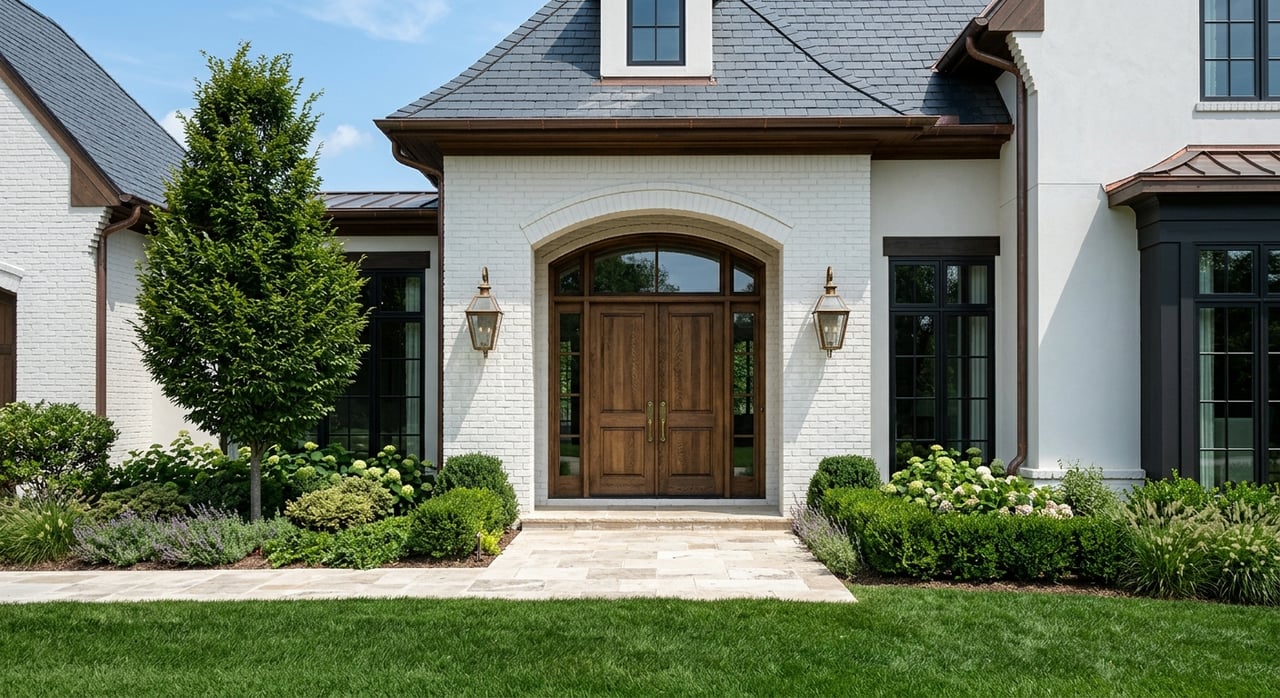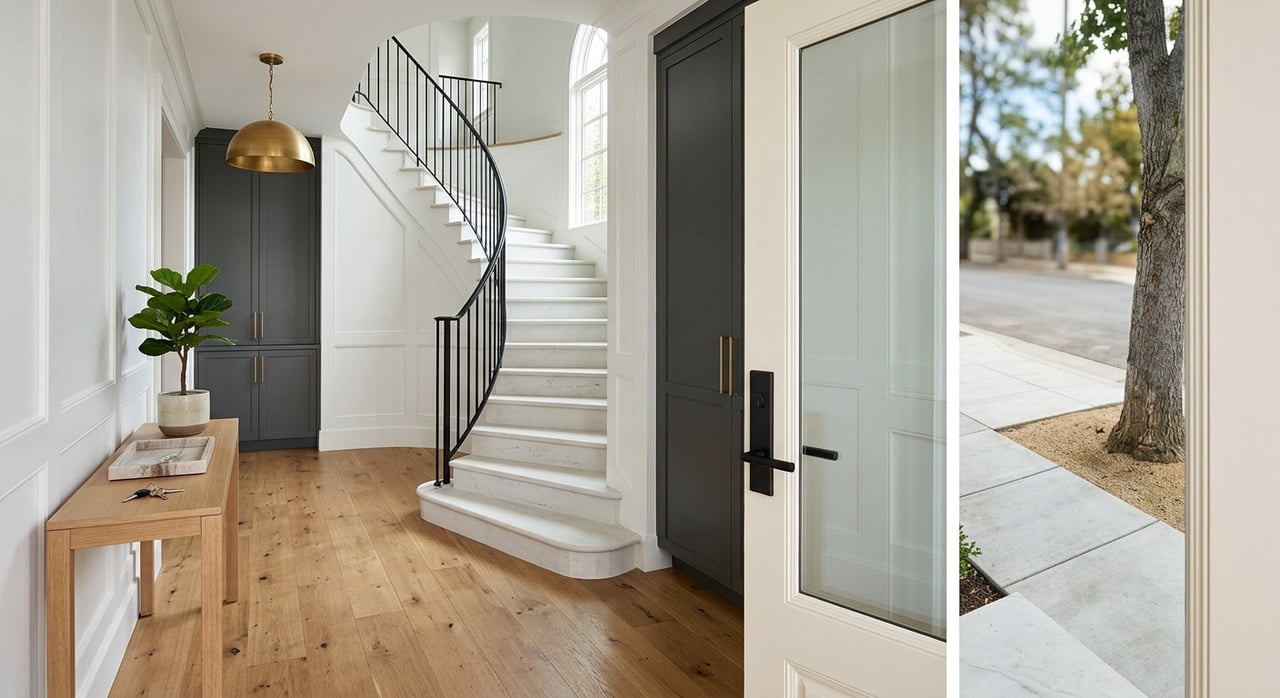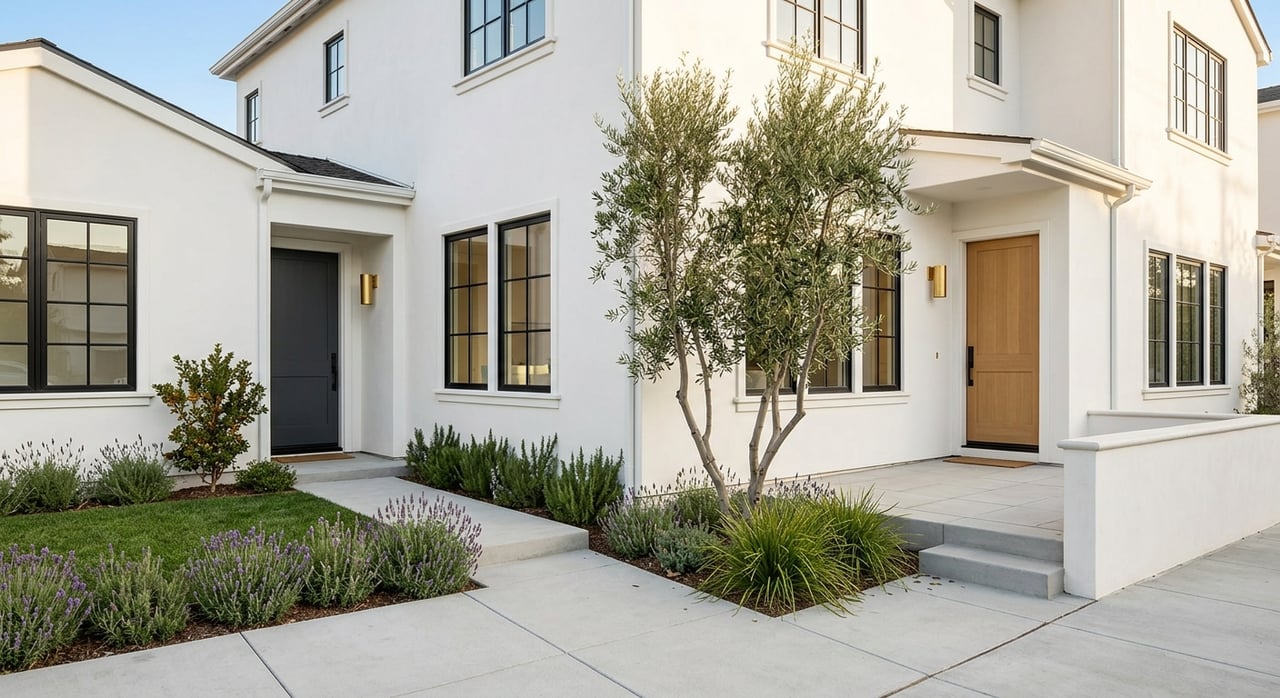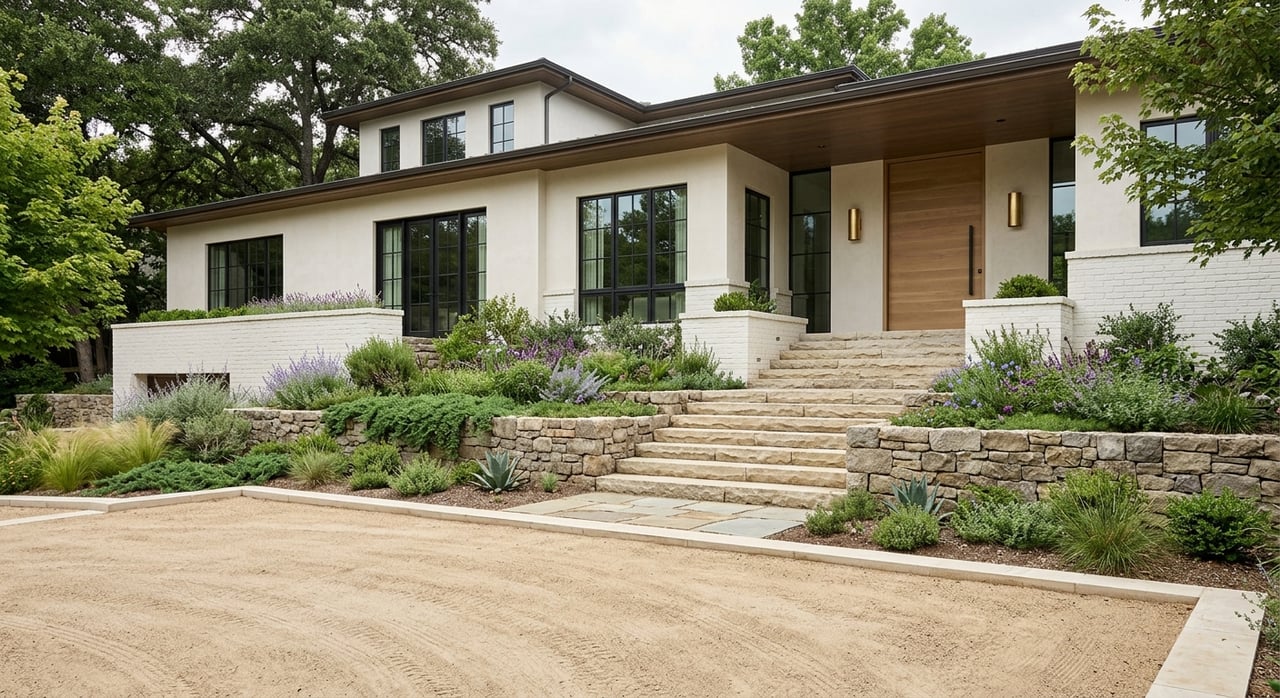
If you picture Peninsula living as neat blocks and a busy downtown, Portola Valley’s hillside enclaves may feel like a different world. Life here tends to revolve more around scenery, privacy, trails, and open land than around a traditional suburban retail core. If you are wondering what daily life really feels like in these hillside pockets, this guide will walk you through the setting, housing character, lifestyle, and tradeoffs so you can decide whether it fits your goals. Let’s dive in.
A quieter side of the Peninsula
Portola Valley sits west of Stanford University in a landscape the town describes as green and gold. Scenic roads, open space, natural views, and architectural guidelines that encourage homes to blend into the setting all help preserve a rural ambiance.
That shapes the tone of daily life in a big way. Instead of a large commercial center, you are more likely to experience a quieter rhythm built around the natural landscape, residential streets, and community spaces.
What daily life feels like
One of the clearest differences in Portola Valley is where local life is centered. The Town Center is civic rather than commercial, with a library, community hall, recreational fields, Town Hall, and a historic schoolhouse used for official meetings.
The town also notes that classes and athletic events take place there nearly year-round. That gives residents a shared community hub, but it is not the kind of place designed around major shopping or a dense main street.
For many buyers, that is part of the appeal. You get a setting that feels more private and less built-up, with everyday life anchored by open space, local facilities, and the surrounding hills.
Hillside homes are space-oriented
The housing pattern in Portola Valley helps explain why these enclaves feel so different from many other Peninsula neighborhoods. The town’s zoning includes estate districts at 1, 2, 2.5, and 3.5 acres, along with single-family districts at 15,000 and 20,000 square feet.
In practical terms, that points to a low-density environment where homes often sit on larger parcels. The overall impression is space, separation, and a stronger connection to the land.
Because of that setting, you should not expect a repetitive subdivision pattern. Buyers often find custom or semi-custom homes, irregular parcels, and site-specific design choices shaped by slope, views, and the natural surroundings.
Architecture that blends into the landscape
Portola Valley places emphasis on design that works with the setting rather than competing with it. The town specifically notes architectural guidelines that stress blending in, which supports the area’s rural ambiance.
For you as a buyer, that can mean a streetscape with more visual variety and fewer cookie-cutter homes. It also means each property may need to be understood on its own terms, from access and lot shape to how the home sits on the hillside.
For sellers, this is one reason property presentation matters so much. When a home’s value is tied closely to its site, views, privacy, and relationship to open space, clear positioning and strong marketing become especially important.
Trails are part of everyday living
In many communities, trails are a nice extra. In Portola Valley, they are part of the town’s identity.
The town says it has nearly the same number of miles of trails as roads, and its trail network has been part of the community since 1964. Public Works places the street network at about 35 miles, which gives you a good sense of how central both roads and trails are to the local layout.
That has a real effect on daily life. A walk, run, or ride here can feel less like a planned outing and more like a natural extension of living in the area.
Open space shapes the lifestyle
Portola Valley has preserved or helped assemble several notable open spaces, including Windy Hill, Spring Down, Coal Mine Ridge, the Herb Dengler Parcel, the Shady Trail Parcel, Dorothy Ford Park, and Frog Pond. The town also points to Portola Valley Ranch, with 347 acres of open space, as an example of development that integrates preserved land.
For residents, that means open space is not just nearby. It is woven into how the town functions and feels.
If you value immediate access to preserved land and scenic surroundings, this can be one of the strongest lifestyle draws. The focus is less on commercial recreation and more on nature, walking routes, and outdoor access close to home.
Equestrian culture still matters
Portola Valley’s identity is also tied to a long equestrian tradition. The town says equestrian activities have long been an important part of community culture.
You can still see that in the way open space is used. Windy Hill Preserve allows horses on designated trails, and the preserve includes equestrian trailer and bus parking courtesy of the Town at the Spring Down Equestrian Center driveway on Portola Road.
Spring Down itself reflects that history. It began as an equestrian center with a 62-horse boarding stable and is now a gently sloped meadow and pond with a low-impact loop trail.
Even if you are not a rider, this matters because it helps define the area’s character. Horses, trails, and preserved land are part of the regular mix here, which gives the hillside enclaves a lifestyle profile that is distinct on the Peninsula.
Privacy comes with practical tradeoffs
Hillside living in Portola Valley offers a strong sense of privacy, scenery, and separation. For many buyers, those are the exact reasons to be here.
At the same time, the daily pattern is less walkable and more car-dependent than in a conventional suburban town. The research points to a road-and-trail orientation, which supports the rural character but also means errands and commuting often require more planning.
This is one of the biggest tradeoffs to weigh. If you want a lively commercial district steps from home, this setting may feel too quiet. If you want room, natural beauty, and a more tucked-away feel, it may be exactly right.
Commute access is regional, not urban
For hillside areas on the Alpine Road side, a transportation analysis shows regional access via I-280 and local access through Alpine Road by way of Portola Road, Westridge Drive, and Arastradero Road. The same analysis places Stanford University about 4 miles away.
That gives you a useful frame of reference. Portola Valley can offer meaningful access to major Peninsula destinations, but the experience of getting there begins on local roads rather than in a dense street grid.
The town’s Local Road Safety Plan also reflects a continued focus on roads, trails, and pathways while preserving rural character. In other words, convenience here is shaped by the landscape, not by a conventional suburban layout.
Change is likely to be selective
Another question buyers often ask is whether a place like this is likely to stay the same. Portola Valley is actively implementing its 2023 to 2031 Housing Element, which was adopted in January 2024 and re-certified in May 2025.
The town says this work is intended to add housing opportunities while minimizing impacts on town character, safety concerns, and traffic. Recent draft amendments also propose new mixed-use high-density sites.
The key takeaway is balance. The town appears to be planning for change in a targeted way rather than through wholesale transformation, which is useful context if you are thinking long term about value, character, and future development patterns.
Who tends to love Portola Valley’s hillside enclaves
This setting usually appeals to buyers who prioritize lifestyle as much as square footage. You may be drawn to these enclaves if you want:
- More privacy and separation between homes
- A strong connection to open space and natural views
- Trail access as part of everyday life
- A residential setting with a quieter pace
- A home with distinctive site and design features
It may be less ideal if your top priority is a highly walkable routine with a major retail and dining core close by.
Why local guidance matters here
Portola Valley hillside properties can be more nuanced than homes in a standard subdivision. Lot size, slope, access, privacy, trail adjacency, and the home’s relationship to the site can all shape how a property lives and how it is valued.
That is why buyers benefit from clear local context, and sellers benefit from a marketing strategy that highlights what makes a hillside property stand out. The right guidance helps you look beyond the basics and understand how setting, layout, and lifestyle fit together.
If you are exploring Portola Valley or preparing to sell in this part of the Peninsula, working with a team that understands both market positioning and neighborhood character can make the process much smoother. When you are ready for tailored guidance, connect with Jide Group Real Estate.
FAQs
What is daily life like in Portola Valley’s hillside enclaves?
- Daily life tends to be quiet, private, and centered on open space, trails, scenic roads, and community facilities rather than a large commercial downtown.
What types of homes are common in Portola Valley’s hillside areas?
- Homes are typically on larger lots in low-density districts, and many properties are custom or semi-custom with designs shaped by slope, setting, and natural views.
Are trails a major part of living in Portola Valley?
- Yes. The town says it has nearly the same number of miles of trails as roads, which makes trail access a meaningful part of the local lifestyle.
Does Portola Valley have an equestrian culture?
- Yes. The town says equestrian activities have long been an important part of local culture, and designated horse-friendly trails at places like Windy Hill reflect that history.
Is Portola Valley walkable like a typical suburban town?
- Portola Valley is generally less walkable and more car-dependent than a conventional suburban town because its layout is more focused on roads, trails, open space, and low-density residential areas.
How close is Portola Valley to Stanford University?
- A transportation analysis for hillside areas on the Alpine Road side places Stanford University about 4 miles away.