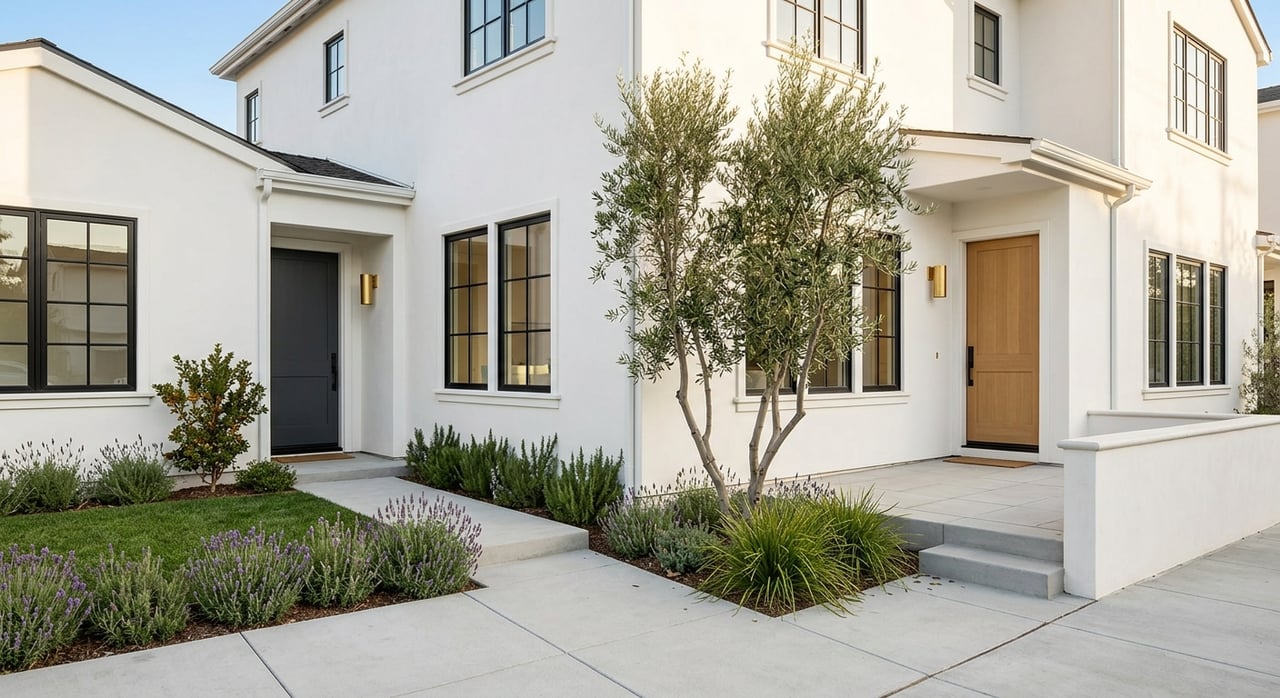
If you are deciding between a single-family home and a townhome in San Carlos, you are not just choosing a floor plan. You are choosing how you want to live, what kind of maintenance you want to handle, and how your monthly costs may look in one of the Peninsula’s most competitive markets. In a city where homes move quickly and prices remain high, understanding the tradeoffs can help you make a smarter, more confident move. Let’s dive in.
Why this choice matters in San Carlos
San Carlos is still primarily a detached-home market. The city’s 2023 Housing Element estimates that about 68% of the housing stock is single-family detached, while single-family attached homes make up about 4% and multifamily housing about 28%.
That matters because your options are shaped by the city itself. San Carlos is already mostly built out, with limited vacant land, and much of its remaining housing capacity is planned for downtown and mixed-use corridors near El Camino Real and transit.
This is also a fast-moving market where the financial stakes are high. Redfin reported a March 2026 median sale price of $2.75 million, with homes selling in about 11 days and receiving 6 offers on average, while Zillow’s April 2026 snapshot showed a typical home value of $2.48 million and 61 homes for sale.
Single-family homes in San Carlos
More space and privacy
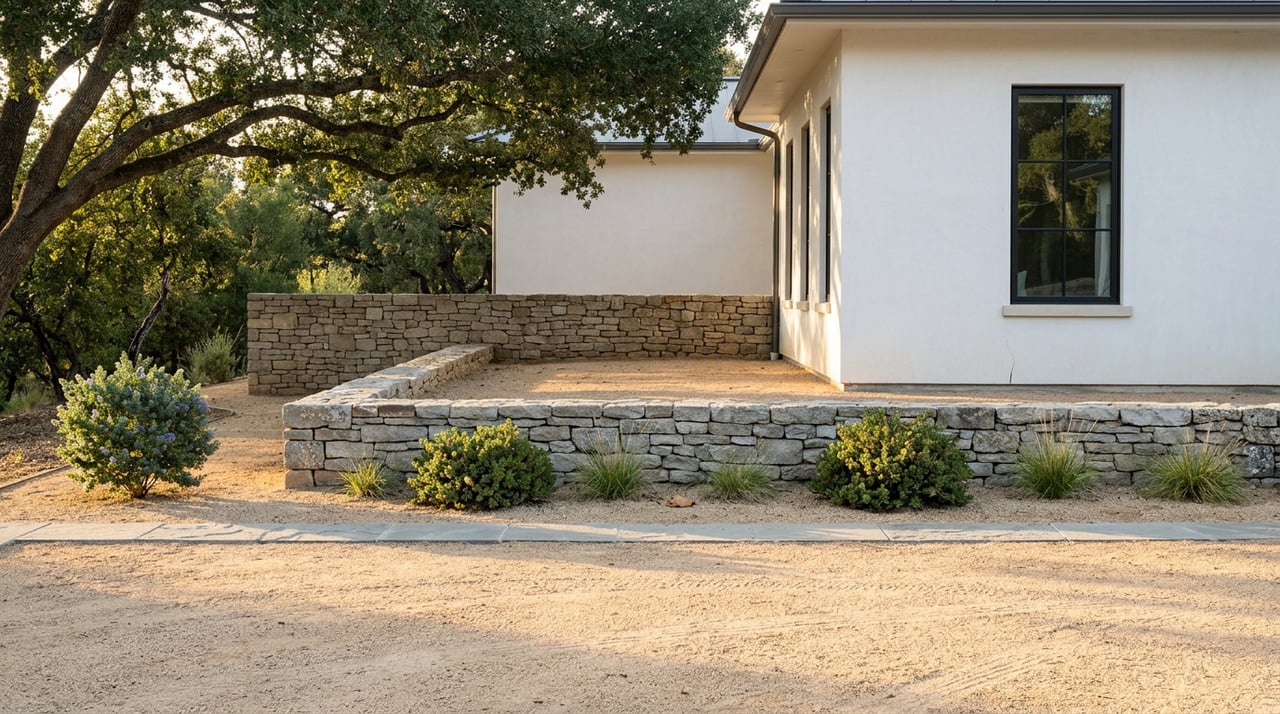
A single-family home usually gives you more separation from neighbors, more private outdoor space, and a greater sense of independence. If you value a yard, extra storage, or a little more breathing room, this can be a meaningful advantage.
Detached homes also tend to offer more control over how you use and maintain the property. In many cases, you have more flexibility around exterior improvements and repairs because you are not sharing walls or relying on a homeowners association for major common-area decisions.
More direct maintenance responsibility
That extra control comes with more responsibility. In a detached home, you are generally the one budgeting for the roof, exterior upkeep, drainage, landscaping, and other major systems tied to the property.
That point matters even more in San Carlos because much of the housing stock is older. The city reports that 73% of housing was built between 1940 and 1979, and it specifically identifies roofs, foundations, and plumbing as examples of major rehabilitation needs that can arise in older homes.
A familiar ownership model
Because detached homes make up the majority of San Carlos housing, they often represent the ownership style many Peninsula buyers already understand well. They may also offer a broader set of comparable sales simply because they are the largest part of the local housing mix.
That does not guarantee better appreciation. It does mean buyers may find the product more familiar, especially in a market where detached homes remain the dominant housing type.
Townhomes in San Carlos
Lower exterior-maintenance living
Townhomes often appeal to buyers who want a more compact footprint and less day-to-day exterior upkeep. Depending on the community, some maintenance responsibilities may be handled through the HOA, which can simplify ownership for buyers with busy schedules.
That convenience can be especially appealing in San Carlos, where attached and mixed-use housing is increasingly concentrated near downtown, El Camino Real, and transit. The city’s planning documents note that more than 80% of parcels in its housing site inventory are within half a mile of public transit, including bus service on El Camino Real and Caltrain.
A different kind of tradeoff
Townhome living usually means giving up some privacy, some lot size, or both. Shared walls, smaller outdoor areas, and community rules are often part of the package.
It is also important to know that not every townhome works the same way. In California, attached-home communities can be structured as condominiums or planned developments, and the ownership model can differ from one community to another.
Ownership details matter
A private patio, driveway, or parking space may not always be truly private land. The California Department of Real Estate notes that some of these areas may be classified as exclusive-use common area instead.
That distinction affects more than paperwork. It can influence who maintains certain areas, what changes need approval, and how much control you actually have over parts of the property that feel private in everyday use.
HOA fees are only part of the story
What the HOA may cover
In California, unless governing documents say otherwise, the HOA is generally responsible for repairing, replacing, and maintaining common areas. The owner is responsible for the separate interest, and the owner is generally responsible for maintaining exclusive-use common area while the association handles repair and replacement.
That sounds simple on paper, but in practice, maintenance duties can vary by subdivision. In townhome and cluster projects, the split between owner and HOA responsibilities can be very specific to the community.
Why reserves and disclosures matter
A monthly HOA fee should never be viewed as just an extra line item. California HOA annual budget reports must include a reserve summary, a reserve-funding plan, disclosures about deferred major repairs, and disclosures about the possibility of special assessments.
Those reports also summarize insurance coverage. They may note that HOA insurance does not necessarily cover your personal property or your improvements, and owners may still be responsible for deductibles.
Rules can shape daily living
California HOA annual policy statements also disclose assessment-collection policies, lien enforcement, dispute-resolution procedures, and approval rules for physical changes to the property. Buyers can inspect records such as reserve balances, meeting minutes, contracts, financial records, and governing documents.
In practical terms, that means a townhome is not automatically the simpler choice. Sometimes it is, but only after you understand the association’s financial health, maintenance structure, insurance picture, and rules.
Comparing lifestyle fit
Single-family may fit you if
You may lean toward a single-family home if you want:
- More private outdoor space
- More separation from neighbors
- More control over repairs and remodeling
- Fewer HOA-related restrictions
- A property type that makes up most of San Carlos housing stock
Townhome may fit you if
You may lean toward a townhome if you want:
- A smaller footprint
- Shared upkeep through an HOA structure
- A community setting
- A location closer to downtown or transit-oriented areas
- Less responsibility for some exterior maintenance items
Cost is more than the purchase price
In San Carlos, the decision often comes down to total carrying cost, not just list price or square footage. A detached home may offer more land and flexibility, but it may also bring larger repair costs, especially in an older housing market.
A townhome may have a lower maintenance burden in some areas, but you need to account for HOA dues, reserve strength, insurance gaps, and special-assessment risk. In other words, the cheaper-looking option upfront is not always the more predictable one over time.
Questions to ask before you decide
No matter which path you prefer, a few questions can sharpen your decision quickly:
- How much privacy and outdoor space do you want day to day?
- How comfortable are you budgeting for major repairs yourself?
- If you are considering a townhome, is it a condo-style structure or a planned development?
- What exactly does the HOA maintain, repair, and replace?
- How healthy are the HOA reserves, and is there any sign of deferred maintenance or special-assessment risk?
- Does the location support the lifestyle you want, whether that means convenience near downtown and transit or a more traditional detached-home setting?
The San Carlos bottom line
In San Carlos, there is no one-size-fits-all winner between single-family and townhome living. Detached homes usually offer more space, privacy, and control, while townhomes can offer convenience, a smaller footprint, and shared upkeep in well-located parts of the city.
The better choice depends on how you want to live and how you want to budget for ownership in a market with limited land, older housing stock, and strong buyer demand. When you compare property type, maintenance responsibility, HOA health, and location together, your best option usually becomes much clearer.
If you want help weighing the tradeoffs between specific San Carlos homes and communities, Jide Group Real Estate can help you compare options with local market insight and a clear plan for your next move.
FAQs
What is the main difference between a single-family home and a townhome in San Carlos?
- In San Carlos, a single-family home usually offers more space, privacy, and control over the property, while a townhome often offers a smaller footprint and shared upkeep through an HOA.
What does an HOA usually cover for a San Carlos townhome?
- In California, the HOA is generally responsible for common areas unless governing documents say otherwise, while owners are responsible for their separate interest and usually maintain exclusive-use common areas, with repair and replacement rules varying by community.
Why should buyers review HOA reserves before buying a San Carlos townhome?
- California HOA budget disclosures can reveal reserve funding, deferred repairs, insurance details, and possible special-assessment risk, which all affect your true monthly and long-term cost.
Are older single-family homes in San Carlos more expensive to maintain?
- They can be, because the city reports that much of San Carlos housing was built between 1940 and 1979, and older homes may face major needs related to roofs, foundations, and plumbing.
Are townhomes in San Carlos often near downtown and transit?
- Many attached and higher-density housing opportunities in San Carlos are concentrated near downtown, El Camino Real, and transit corridors, according to the city’s planning documents.
Is a townhome always the more affordable option in San Carlos?
- Not necessarily, because a townhome may reduce some maintenance burdens but can also include HOA dues, insurance limitations, and possible special assessments that change the total cost of ownership.