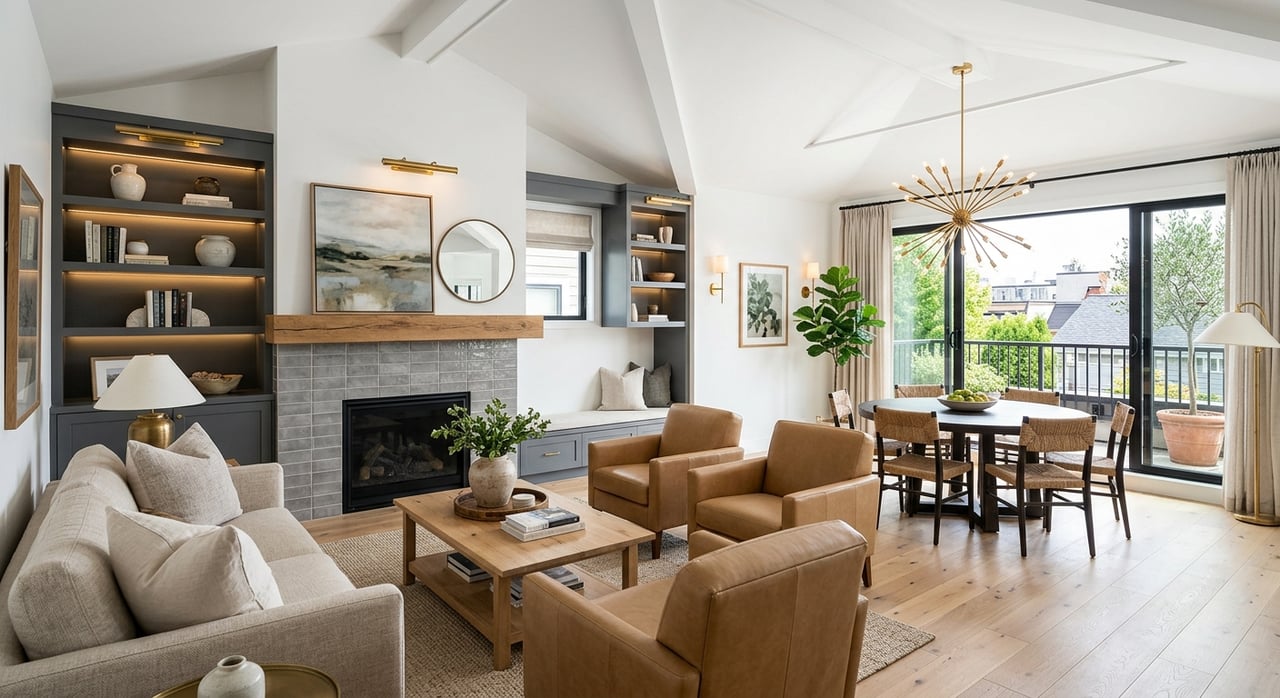
If Palo Alto feels out of reach, you are not alone. With a citywide median sale price of $3.48 million in April 2026, many buyers look to condos and townhomes as a more attainable way to own in this market. The good news is that attached housing can open the door to Palo Alto living, especially if you want a lower-maintenance home, a more central location, or easier access to transit and daily conveniences. Let’s take a closer look at what condo and townhome options can offer you in Palo Alto.
Why attached homes matter in Palo Alto
For many buyers, condos and townhomes are the practical entry point into Palo Alto ownership. Recent listings showed condos at a median listing price of about $1.49 million and townhouses around $1.7 million, which is a meaningful gap compared with the broader city market.
That does not make attached housing cheap. It does make it more accessible than a detached home in one of the most expensive markets in the Peninsula. If your goal is to buy in Palo Alto without stretching all the way to a single-family price point, this segment deserves a serious look.
What the market feels like now
Palo Alto remains competitive, even for condos and townhomes. Citywide, homes have been selling in about 12 days on average, while condos have been taking about 47 days and townhouses about 36 days.
That extra time can give you a little more room to evaluate options, but it does not mean you can move slowly. Well-priced attached homes in strong locations can still sell quickly, and some listings are flagged as likely to move fast.
Where condos and townhomes show up most
Palo Alto planning efforts point toward more housing in downtown and transit-oriented areas. The city’s Downtown Housing Plan focuses on housing production downtown, and the North Ventura plan envisions a more walkable mixed-use area with multifamily housing and stronger links to Caltrain, California Avenue, and El Camino Real.
In plain terms, that means you are more likely to find attached housing near downtown, California Avenue, Midtown, Ventura, and the El Camino Real corridor than on streets dominated by detached homes.
University South options
University South is one of the clearest places to look for attached housing near downtown. This area has been noted as being two blocks from downtown, with an 88 Walk Score, 50 Transit Score, and 95 Bike Score.
If you want a location that supports errands on foot, bike access, and quick access to restaurants and shops, this area stands out. Recent activity also showed both condo and townhouse inventory here, which reinforces its role as one of Palo Alto’s attached-home pockets.
Midtown choices
Midtown is another area where attached homes regularly appear. Recent Midtown listings have included both condos and townhome-style new homes.
This matters because Palo Alto listings do not always fit neatly into one category. Some homes are legally condos but live more like townhomes, with multi-level layouts, modern finishes, private outdoor space, rooftop decks in some cases, and EV-prepped garages.
Ventura and California Avenue access
Ventura and the California Avenue corridor also deserve attention. Ventura townhouse listings have shown a 78 Walk Score, and the area includes homes close to dining, cafes, and shops around California Avenue.
If you want a balance of convenience and neighborhood feel, this part of Palo Alto can be appealing. It also aligns with the city’s broader push toward walkable, connected housing areas.
What condo and townhome living can look like
One of the biggest misconceptions about attached housing is that every unit feels small or generic. In Palo Alto, that is not always the case.
You may find compact units, but you can also find homes with more generous layouts. A recent example at 200 Sheridan included 2 bedrooms, 2 bathrooms, and 1,380 square feet, which shows that condos here can offer meaningful living space.
Common layouts and features
Many attached homes in Palo Alto blend convenience with design features buyers want today. Depending on the building or community, you may see:
- Open-concept floorplans
- Private patios or balconies
- Private outdoor spaces
- Select rooftop decks
- EV-prepped or secure parking
- Gated front patios
- Community pools
- Storage areas
These features can make attached living feel more comfortable and functional, especially if you value low exterior maintenance but still want outdoor space or extra amenities.
Amenity-rich communities
Some communities go further on amenities. Recent examples in Palo Alto have highlighted secure parking, EV charging, pools, hot tubs, private parks, and even on-site commercial conveniences like a cafe.
There are also buildings designed for specific lifestyles. The Hamilton in downtown Palo Alto, for example, is a 55+ community with features such as an indoor pool and spa, fitness center, library, 24-hour front desk, driver service, gated parking, storage, and private balconies.
Condo vs. townhome in Palo Alto
If you are deciding between the two, the difference often comes down to layout, shared spaces, and the kind of lifestyle you want.
| Option | Often appeals to buyers who want | Things to review closely |
|---|---|---|
| Condo | Lower-maintenance living, central locations, building amenities | HOA rules, monthly dues, parking, shared walls |
| Townhome | Multi-level layout, more separation, townhouse feel | HOA structure, exterior responsibilities, guest parking |
In Palo Alto, the line can blur. Some listings are marketed as townhome-style condos, so it is smart to look beyond the label and focus on how the home actually lives day to day.
HOA details you should review carefully
HOA living is a major part of buying most condos and many townhomes in California. In common interest developments, HOA membership is automatic and transfers with the property.
That means you are not just buying the unit. You are also buying into a set of rules, financial obligations, and shared-property responsibilities that can affect your monthly costs and your daily experience.
Key documents to read
Before you commit, review the HOA package carefully. California guidance makes it clear that buyers should examine governing documents, disclosures, assessments, and the public report for developments that include HOA dues.
Important items usually include:
- CC&Rs
- Bylaws
- HOA budget
- Reserve information
- Rules for use restrictions
- Information on assessments and financial arrangements
CC&Rs can be very specific. Rules may cover details as small as exterior changes or fencing standards, so you should never assume one building’s rules are similar to another’s.
Monthly dues and special assessments
HOA dues are part of your real monthly carrying cost. Regular assessments typically help pay for day-to-day operations and reserve funding.
Reserve budgets may support future repairs or replacements for items such as roofs, lighting, pool equipment, and paving. Special assessments can also happen when a major repair or unplanned expense comes up, so it is worth understanding both the current dues and the HOA’s financial position.
Parking matters more than you think
Parking is a local detail that deserves extra attention, especially in and around downtown. The city notes that downtown visitor parking in city-owned lots and garages is time-limited, and Palo Alto also has a downtown residential parking permit program.
For that reason, ask early about:
- Assigned parking spaces
- Guest parking availability
- Secure parking access
- EV charging options
- Any nearby permit or district parking rules
Who attached housing often fits best
Condos and townhomes can work for a wide range of buyers in Palo Alto. The best fit usually depends on your budget, lifestyle, and how much maintenance you want to handle.
Buyers seeking a lower entry point
If you want to buy in Palo Alto but a detached home is out of range, attached housing may offer the clearest path forward. The pricing gap is significant enough that many value-minded buyers start here.
The tradeoff is that you may exchange yard size and some privacy for location, easier upkeep, and shared amenities. For many buyers, that is a smart compromise.
Buyers focused on convenience
Palo Alto places a strong emphasis on walking, biking, and transit. The city has two Caltrain stops, and the Palo Alto Transit Center connects to Caltrain, VTA, SamTrans, Dumbarton Express, and Stanford’s Marguerite Shuttle.
If your day-to-day routine benefits from shorter trips, more mobility options, or easier access to downtown and California Avenue, attached housing near those corridors can make a lot of sense.
Buyers looking for lower-maintenance living
Attached homes can also appeal if you want less exterior upkeep. For some buyers, that means fewer weekend chores. For others, it means a move-down option that still keeps them in Palo Alto with features like security, services, or amenity access.
How to shop smart in this segment
Because Palo Alto remains competitive, preparation still matters. Even when condos and townhomes stay on the market longer than detached homes, the best-located and best-priced properties can still attract fast interest.
A smart approach usually includes:
- Defining your must-haves versus nice-to-haves
- Comparing condo and townhome ownership structures
- Reviewing HOA documents early
- Confirming parking before you get too far
- Staying ready to act when a strong match appears
In a market like Palo Alto, good decisions come from balancing speed with due diligence. You want to move quickly when the right home appears, but you also want a clear understanding of the building, the rules, and the full cost of ownership.
If you are weighing condo and townhome options in Palo Alto, a clear local strategy can save you time and help you compare opportunities with more confidence. The team at Jide Group Real Estate can help you evaluate neighborhoods, inventory, and ownership details so you can move forward with a plan that fits your goals.
FAQs
What makes condos and townhomes more attainable in Palo Alto?
- Condos and townhomes have recently listed around $1.49 million to $1.7 million, compared with a citywide median sale price of $3.48 million, making them a more accessible ownership path than detached homes.
Where should Palo Alto buyers look for attached housing?
- Attached housing tends to cluster near downtown, University South, Midtown, Ventura, California Avenue, and the El Camino Real corridor.
What features do Palo Alto townhomes and condos often include?
- Depending on the property, you may find open floorplans, patios, balconies, rooftop decks, secure parking, EV-ready garages, storage, pools, and other shared amenities.
What should Palo Alto condo buyers review about the HOA?
- You should review the CC&Rs, bylaws, budget, reserve information, assessments, and other disclosures so you understand rules, monthly costs, and possible future expenses.
How competitive is the Palo Alto condo and townhome market?
- Palo Alto remains competitive, with condos averaging about 47 days on market and townhouses about 36 days, while well-priced homes in strong locations can still move quickly.