Thinking about selling your Los Gatos home and want a smooth, top‑notch launch? You’re not alone. In a market where buyers expect high finish and move‑in condition, the right prep sequence can make the difference between a fast, clean sale and a frustrating renegotiation. In this guide, you’ll get a clear 30/60/90‑day plan that prioritizes inspections, legal compliance, cosmetic updates, staging, and professional marketing. Let’s dive in.
Why sequence matters in Los Gatos
Los Gatos buyers look for polished, turnkey homes, and they rely heavily on photos, video, and floorplans to shortlist showings. Industry research points to professional staging and photography helping homes sell faster with fewer price reductions, while pre‑listing inspections often reduce late‑stage renegotiation. The right order protects your timeline and your net.
The proven sequence is simple: inspections first, permits and repairs second, staging next, photography after staging, then go live. When you commit to that order, you minimize surprises and maximize presentation.
The 30/60/90 plan at a glance
Below is a realistic, vendor‑managed timeline tailored for mid‑to‑high value Los Gatos homes. Use it as a framework, then adjust to your property, scope, and permits.
Days 1–30: Assess and handle fast wins
Start with clarity, then move quickly on low‑friction tasks so you can book vendors and keep momentum.
- Initial walkthrough and plan (Day 1)
- Meet with your listing agent to set scope, budget, and a target listing date.
- Decide on staging level, media needs, and a preliminary pricing strategy.
- Order disclosures and reports (Day 1–7)
- Begin the Transfer Disclosure Statement and Natural Hazard Disclosure; gather HOA documents if applicable.
- Collect past permits, warranties, and receipts to support buyer due diligence.
- Pre‑listing inspections (Day 2–10)
- Typical: general home, roof, HVAC, electrical, plumbing, and termite; consider a sewer camera if the home is older.
- Expect 2–4 hours per inspection and 1–3 days for reports.
- Get estimates and schedule contractors (Day 3–14)
- Secure 2–3 bids for work over $2,000; confirm scope, timeline, and permit responsibilities in writing.
- Book vendors early to reserve dates that align with staging and photography.
- Immediate cosmetic fixes and safety (Day 5–20)
- Touch‑up paint, deep clean, declutter, minor carpentry, HVAC filter, and verify smoke/CO devices and water heater strapping.
- These quick wins lift showability and help with code compliance.
- Landscaping and curb appeal (Day 7–21)
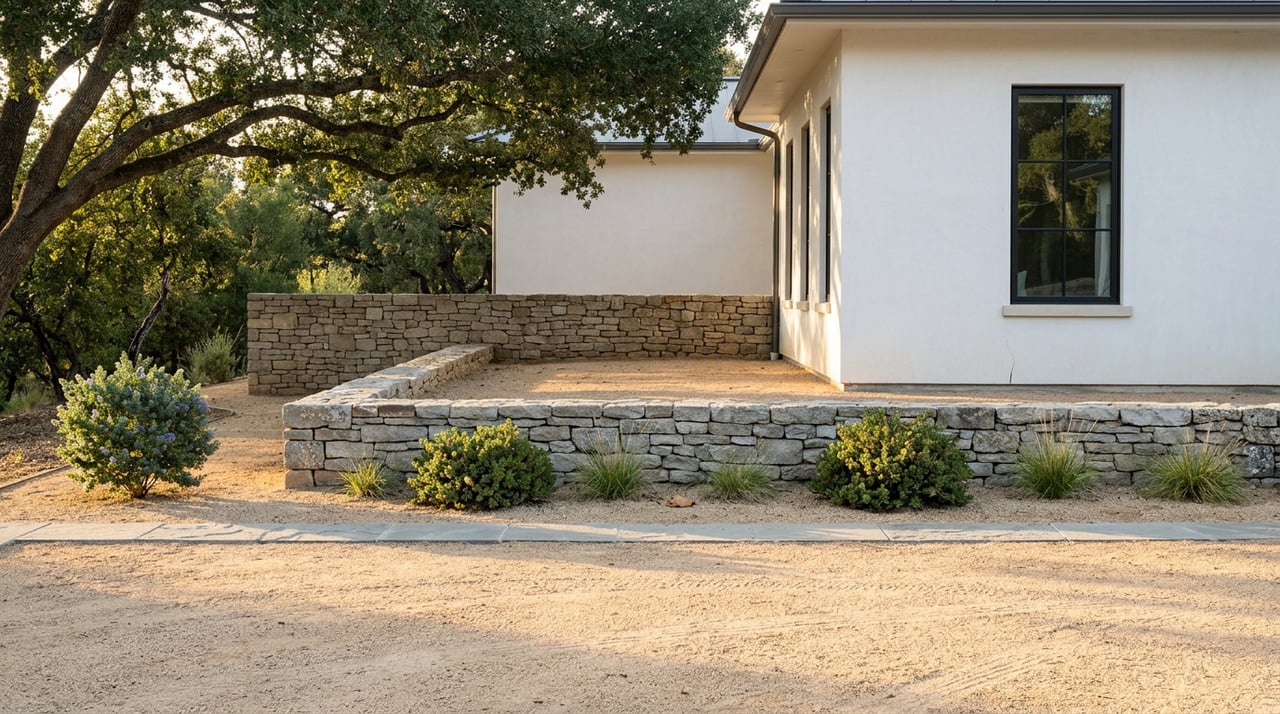
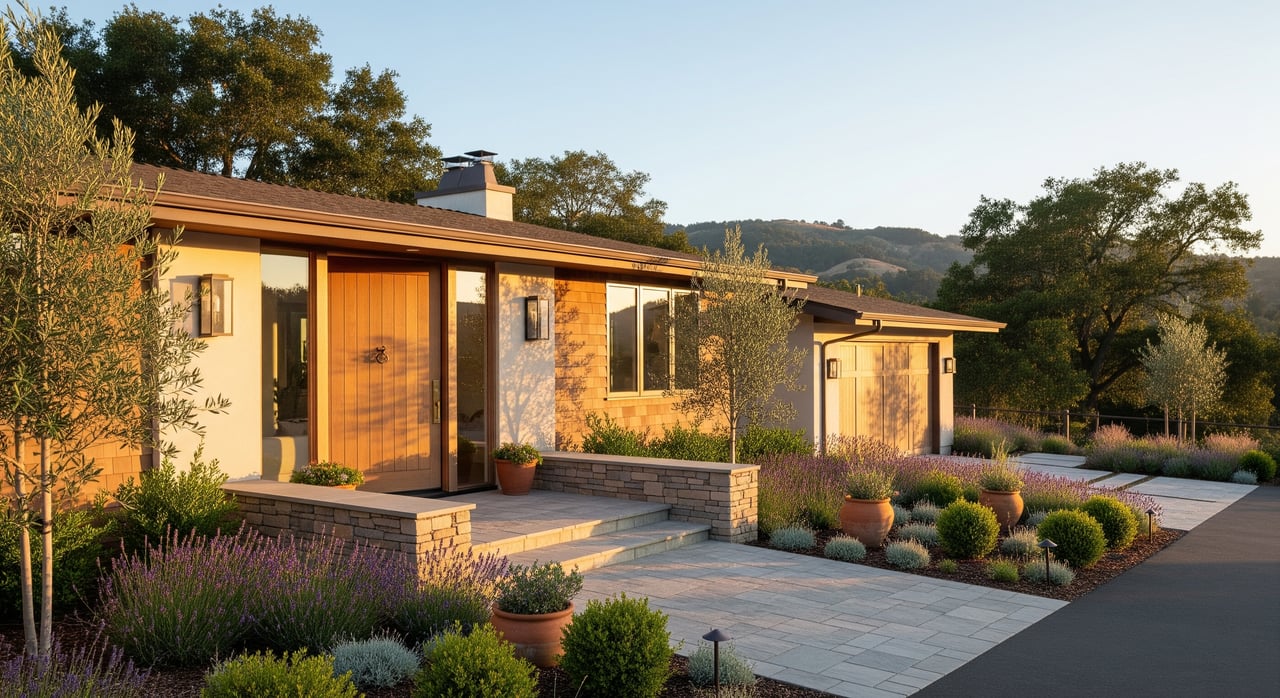
- Prune, repair irrigation, mulch, power wash, and refresh the front door.
- Pencil in staging and photo dates (Day 10–30)
- Hold staging and photography slots that land after repairs and cleaning.
Days 31–60: Repairs, permits, and staging install
Use inspection results to drive a focused repair plan and any light renovations.
- Complete major repairs and light renovations (Day 31–50)
- Examples: kitchen or bath refresh, flooring repair/refinish, roof or HVAC fixes, termite treatment and repairs.
- Small projects run 3–14 days; larger cosmetic updates can take 2–6 weeks.
- Permitting and municipal inspections (Day 31–60)
- Apply for permits if any work alters structure, electrical, plumbing, or HVAC.
- Build in time for plan check, approvals, and city inspections as work completes.
- Deep clean and windows (Day 45–55)
- Schedule after trades finish and before staging arrives.
- Staging install and final styling (Day 50–55)
- Full‑home staging is common for high‑end listings; partial or targeted staging can work for occupied homes.
- Allow 4–8 hours for install, plus styling time.
- Pre‑photo walkthrough (Day 54–56)
- Do a final sweep for clutter, cord management, and small touch‑ups.
Days 61–90: Media, launch, and showings
Bring the story together with exceptional visuals and a coordinated debut.
- Professional photography and media (Day 61–66)
- Interior and exterior photos, twilight captures, drone imagery where allowed, floorplans, and a 3D tour.
- Schedule for optimal light after staging is complete.
- Marketing package and listing build (Day 62–70)
- Write the description, assemble disclosures, and load media into the MLS.
- Prepare property flyers, feature sheets, and digital ads.
- Listing launch and active marketing (Day 67–75)
- Go live, host broker previews, push social media and email campaigns, and engage buyer agents.
- Showings and open houses (Day 70–90)
- Keep the home showing‑ready and maintain curb appeal.
- Buyer inspections and contingencies (Day 75–90)
- Coordinate access and negotiate repairs or credits if new items surface.
Local rules and common Los Gatos issues
A smart plan anticipates local requirements and typical property findings.
- Permits: The City of Los Gatos requires permits for work affecting structure, electrical, plumbing, or HVAC. Start permit conversations early to avoid delays.
- Disclosures: California requires a Transfer Disclosure Statement and other standard forms. Assemble HOA documents, manuals, warranties, and past permits to help buyers and speed escrow.
- Termite and wood‑destroying organisms: Termite inspections are common. If issues are found, schedule treatment and licensed repairs and keep detailed documentation.
- Sewer lateral and drainage: Some Bay Area districts require sewer lateral inspection or compliance at transfer. If your home is older, a pre‑list sewer camera inspection is wise.
- Safety compliance: Ensure functional smoke alarms, carbon monoxide detectors, and water heater strapping consistent with state and local code.
- Historic or design review: Certain neighborhoods have design standards. Confirm whether exterior changes need approval before starting.
- Typical findings: Aging roofs, overgrown trees near structures, older wiring or galvanized plumbing, hillside foundation and drainage considerations, and termite damage in older wood‑framed homes.
Your vendor team and what they do
You do not need to manage dozens of vendors alone. A team approach saves time and reduces stress.
- Pre‑listing inspectors: General home inspector, plus roof, HVAC, electrical, plumbing, termite; sewer camera as needed.
- General contractor or handyman: Coordinates repairs and light renovations and pulls permits when required.
- Licensed trades: Electrician, plumber, roofer, HVAC technician, and licensed structural pest operator.
- Cleaning and staging: Deep cleaners, window professionals, and a staging company with furniture rental and styling.
- Photographer and videographer: High‑resolution photos, twilight, drone where allowed, floorplans, and a 3D tour.
- Landscaper: Curb appeal improvements and irrigation repairs.
Typical cost ranges in Los Gatos
Every property is different, but these ranges reflect local market conditions for mid‑to‑high value homes.
- General home inspection: $400–$800
- Termite inspection: $150–$350; treatment and repairs vary widely from about $500 to $10,000+ depending on scope
- Minor cosmetic repairs and handyman work: $500–$5,000
- Full interior paint: $3,000–$12,000
- Kitchen cosmetic refresh: $5,000–$25,000
- Flooring repairs or selective replacement: $1,500–$15,000
- Staging: partial $2,000–$7,000; full‑home staging for higher‑end properties $5,000–$25,000 per month
- Photography, 3D tour, and floorplans: $500–$1,500; high‑end packages can reach $1,500–$3,000
- Landscaping and curb appeal: $500–$10,000+
Tip: Expect Los Gatos pricing to sit toward the upper end of national ranges due to labor and demand. Ask for written scopes, timelines, and permit responsibilities.
Scheduling tips to protect your launch
- Book early: Reserve stagers and photographers as soon as you lock the repair timeline. Prime slots fill quickly.
- Build slack time: Permits and vendor schedules can shift. Add buffer days so staging and photography do not slip.
- Bundle small jobs: A capable GC or handyman can group punch‑list items to reduce coordination overhead.
- Require clear timelines: For larger jobs, ask for milestone dates and who is responsible for permits.
- Confirm drone rules: If using aerials, verify local airspace rules in advance.
Common risks and how to avoid them
- Permit delays
- Mitigation: Apply early and use contractors experienced with Los Gatos submittals.
- Major defects uncovered late
- Mitigation: Do pre‑listing inspections, and if big items emerge, get repair bids or specialist reports to disclose proactively.
- Staging and photo misalignment
- Mitigation: Do not shoot before staging and deep cleaning are complete. Reshoots are costly.
- HOA and municipal document delays
- Mitigation: Order HOA docs and requested municipal records as soon as you set your timeline.
Final pre‑list checklist
Use this quick pass to confirm you are go‑to‑market ready.
- Pre‑listing inspection reports received
- Estimates obtained and major trades scheduled
- Permits applied for where required
- Termite check and sewer camera (if applicable) with a remediation plan
- Staging consult complete and install date scheduled
- Photography, 3D tour, and floorplans scheduled
- Deep clean, window clean, and landscaping complete
- Disclosures and supporting documents assembled
- Marketing copy and listing details drafted and proofed
- Listing go‑live date set with showing and open house plan
When to start your timeline
If you want to hit the market in about 90 days, start now. The biggest variable is permitting. If your scope touches structure, electrical, plumbing, or HVAC, plan for added lead time. If your home needs only light cosmetic work, you may compress the plan, but keep the sequence intact.
Ready for a tailored plan?
A short, on‑site walkthrough can turn this into your custom 30/60/90 plan with vendor recommendations, sequence, and a target launch date. If you value a coordinated process and a polished debut, reach out to the team at Jide Group Real Estate to get started.
FAQs
What is the ideal home‑selling prep sequence in Los Gatos?
- Start with inspections and disclosures, then complete permitted repairs and cosmetic updates, install staging, capture professional media, and launch the listing.
How long do Los Gatos permits take for light renovations?
- Plan for 1–6 weeks or more depending on scope and city workload, and apply as early as possible to keep staging and photography on track.
Are pre‑listing inspections required to sell a home in California?
- They are not required by law, but they are strongly recommended because they reduce surprises, help you price and scope repairs, and can limit late‑stage renegotiation.
Do I need a sewer lateral inspection when selling in Los Gatos?
- Requirements vary by sanitation district, and some Bay Area districts require compliance at transfer; for older homes, a pre‑list sewer camera inspection is a smart proactive step.
How much should I budget for staging in a higher‑end Los Gatos home?
- Partial staging often runs about $2,000–$7,000, while full‑home staging can range from roughly $5,000 to $25,000 per month depending on size and style.
When should I book the stager and photographer?
- Hold dates as soon as you set your repair timeline, with installs scheduled after deep cleaning and before the photo shoot to avoid rescheduling and rush fees.