Thinking about selling in Palo Alto and not sure where to start? You are juggling timing, pricing, and presentation in one of the most watched markets on the Peninsula. With the right plan, you can reduce stress and position your home to attract strong, qualified offers. This guide walks you through pricing, prep, and launch steps tailored to Palo Alto so you can sell with confidence. Let’s dive in.
Understand the Palo Alto market
Palo Alto sits at the center of Silicon Valley demand. Tech employment, Stanford’s presence, and limited housing supply keep values resilient even when broader cycles shift. Mortgage rates and stock liquidity can influence how quickly buyers act and whether they use cash or financing.
Families often look at school attendance zones as part of their decision. Many buyers also weigh proximity to Stanford, parks, and Caltrain. Exceptional properties will draw attention year-round when they are priced and presented well.
Who your buyers are
You will likely see a mix of buyer types:
- Move-up buyers trading within Palo Alto or nearby Peninsula neighborhoods.
- Relocating professionals with corporate packages and tight timelines.
- Downsizers seeking low-maintenance living, often single-level or townhome options.
- Cash or near-cash buyers at the high end, which can reduce appraisal and loan risk.
- Investors are a smaller share due to high entry prices and local restrictions.
Price with precision
Pricing right is your single biggest lever. In Palo Alto, buyers move quickly on well-positioned homes and pass on listings that feel out of sync with recent sales.
Use the right data
Ask your agent to build a local, neighborhood-level CMA that includes:
- Recent closed sales from the last 3 to 6 months in your immediate area.
- Active, withdrawn, and expired listings to map your competition and ceilings.
- Price per square foot trends by neighborhood and property type.
- Days on market and sale-to-list ratios for true peers.
- Lot size and usability, permitted ADUs, and any view or privacy benefits.
- School attendance zones and proximity to transit, parks, and Stanford.
Neighborhood micro-markets behave differently. For example, adjustments for lot size and privacy can be larger in Old Palo Alto or Crescent Park, while Midtown and Downtown may emphasize walkability and indoor-outdoor flow. Professorville and historic overlays can affect renovation flexibility and buyer pool.
Choose your pricing position
There are three common strategies. Your agent should model each one for your micro-market:
- Market-value list: Price close to your agent’s recommended value to capture serious buyers. Useful in balanced or cooling conditions.
- Aggressive list: Price slightly below market to spark strong early interest and potential multiple offers. This can work when buyer depth is clear, but it is less common for higher-end homes unless demand is strong.
- Aspirational list: Price above market to test appetite. This carries higher risk of longer days on market and reduced negotiating power.
Local factors that shift value
Small differences matter a lot in Palo Alto. Consider these when setting price:
- Permits and ADUs: Permitted ADUs add value and clarity. Unpermitted space can reduce confidence and price.
- Lot and privacy: Usable backyard, mature trees, and drainage conditions influence range. Larger or more private lots often command a premium.
- Energy and EV readiness: Owned solar, energy upgrades, and EV charging are noted features and should be documented.
- Historic or design review: Restrictions can narrow some buyer preferences. Confirm rules early.
What to track after you list
Agree on metrics with your agent before going live:
- A recommended list price and the rationale behind it.
- Days-to-expected contract based on absorption and comps.
- Expected sale-to-list ratio range based on recent results.
- Inventory and months of supply for close peers.
Prep and present for impact
Well-prepared homes create confidence and reduce friction during escrow. Use this timeline as a starting point and tailor it to your home’s condition.
6–8 weeks out: plan and permit
- Engage your agent to run a detailed CMA and identify high-ROI updates.
- Flag any work that may need permits and start the process early.
- Get contractor quotes for cosmetic refreshes or kitchen and bath work.
- Consider pre-listing inspections, including termite and wood-destroying organisms, to uncover issues upfront.
3–4 weeks out: stage and refresh
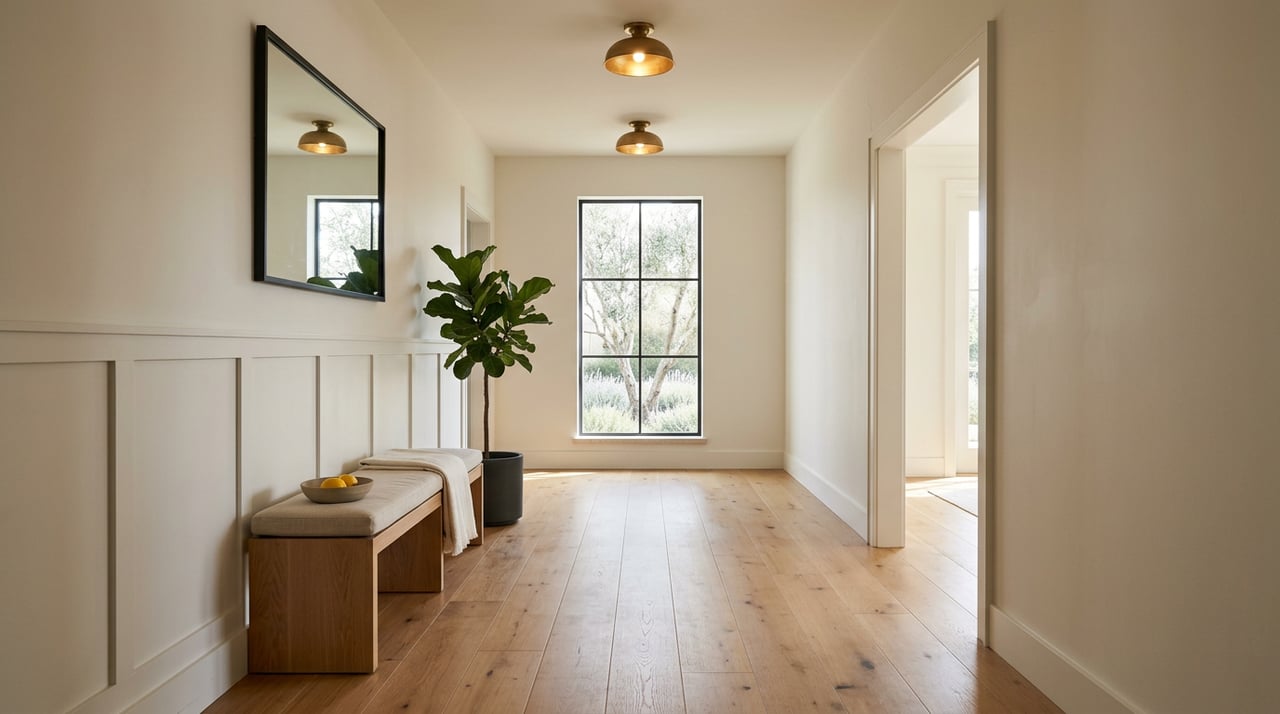
- Deep clean, declutter, and neutralize. Pack personal items and simplify decor.
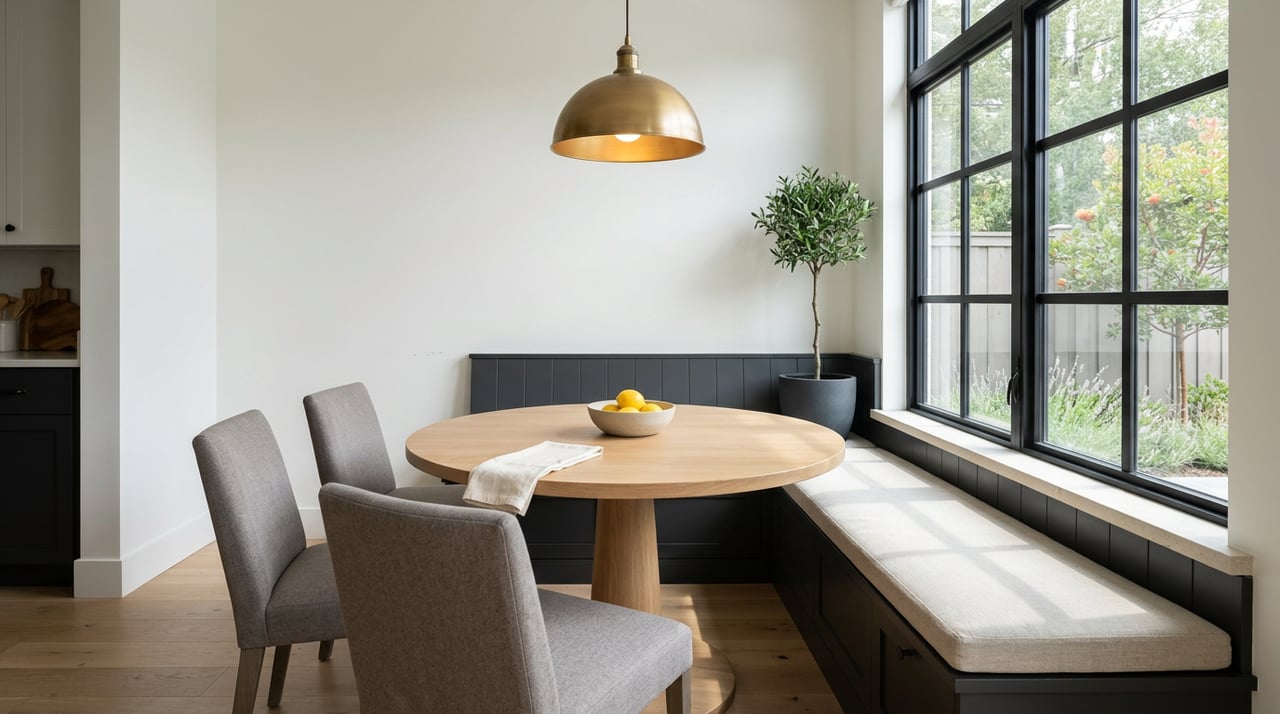
- Finalize a staging plan. Full staging for vacant homes or partial staging for occupied homes typically improves speed and market response.
- Tidy landscaping, refresh mulch, power wash, and consider small paint touchups. Curb appeal sets expectations.
- Gather permit documents for any remodels or ADUs so buyers can review them quickly.
1–2 weeks out: capture and disclose
- Book professional photography and floor plans. Add a 3D tour or video for higher price points and relocating buyers.
- Complete state, county, and any city-required disclosures. Include the Natural Hazard Disclosure and local forms as applicable.
- Build a neighborhood pack with factual info on transit, parks, and amenities.
Days to listing: finish strong
- Complete final staging touches and a professional clean.
- Set showing instructions, buyer prequalification standards, and a plan to secure valuables.
- Confirm launch calendar, broker preview, and first open house details.
Upgrades that tend to earn attention
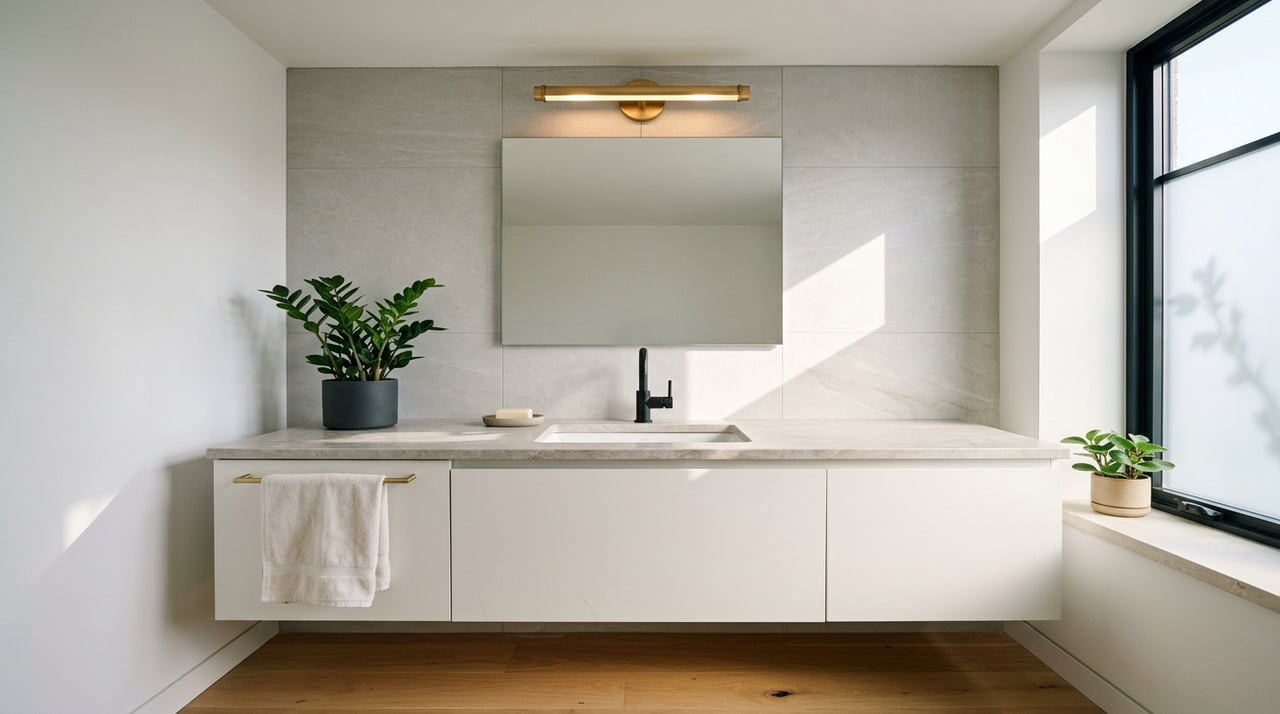
- Fresh paint, flooring updates, and simple kitchen and bath refreshes.
- Roof, HVAC, electrical, and plumbing repairs for obvious defects.
- Clear documentation for permits and any energy or solar systems.
Launch and market smart
The first two weeks are key for discovery and pricing feedback. Your launch cadence should maximize qualified buyer exposure without overwhelming your schedule.
Time your launch
Late winter and spring bring higher activity, but Palo Alto homes can perform well year-round when positioned correctly. If you are relocating, align timing with corporate dates and your target closing window.
Build the right marketing mix
- MLS listing with compelling photos, accurate floor plan, and clear feature bullets.
- 3D tour and video to reach out-of-area and relocation buyers.
- Curated outreach to local buyer agents, relocation teams, and corporate HR contacts.
- Social advertising aimed at key relocation geographies and local high-income zip codes.
- Direct mail to nearby neighborhoods to capture move-up buyers.
- Private or pocket marketing on request for privacy. Discuss tradeoffs, since it can limit market feedback.
At Jide Homes, we combine neighborhood expertise with Coldwell Banker Global Luxury distribution to extend your reach. Our team-driven process manages vendors, staging, photography, copy, and targeted outreach so your home launches with polish and speed.
Plan your showings
- Private showings by appointment often deliver the most qualified traffic for higher-end listings.
- Hold a broker preview and coordinated open houses in the first 7 to 10 days for momentum.
- Offer virtual showings and recorded tours for relocating buyers.
- Prioritize safety by securing valuables and sensitive documents.
Manage offers like a pro
- Decide early whether to set an offer review date or review offers as they arrive.
- Assess escalation clauses with care and keep terms clean where possible.
- Compare offers by total net to you. Look at financing strength, appraisal risk, inspection timelines, and closing flexibility.
- Cash or large down payment offers can lower closing risk and may justify weight in your decision.
Costs, rules, and pitfalls
Be prepared for typical costs and local requirements so you reduce surprises and keep leverage during negotiations.
Typical seller costs
- Realtor commissions, commonly around 5 to 6 percent total in the U.S., split between listing and buyer brokers. Confirm current local norms with your broker.
- Escrow and title fees, city and county transfer taxes, and prorated property taxes.
- HOA documents or payoff fees if applicable.
- Repair credits, home warranty options, or concessions tied to appraisal or inspection findings.
- Tax considerations. Consult a tax professional about capital gains or exclusions based on your situation.
Local items to verify
- Permit history for remodels and any ADUs. Unpermitted work can slow or reduce offers.
- City and county disclosures specific to Palo Alto and Santa Clara County.
- Utility or sewer lateral inspection requirements where applicable.
- Any rental restrictions if the property has been leased.
Common pitfalls
- Overpricing in a thin segment, which leads to long days on market and price cuts.
- Incomplete permit or disclosure packages that create escrow friction.
- Skipping staging or professional media for a high-end home, which reduces buyer engagement.
- Relying only on off-market networks when broad exposure would likely maximize price.
If momentum stalls
- Use listing data to pivot: days on market, weekly showings, feedback, and comp movements.
- Consider strategic buyer incentives, such as flexible closing or a home warranty, if they support your net.
- Refresh photography, update staging, and retarget outreach. In some cases, a price adjustment is the cleanest solution.
Your next step
You do not need to guess your way through a Palo Alto sale. With a clear plan for pricing, preparation, and a strong launch, you can move forward on your timeline with confidence. If you want a tailored strategy and a team to execute the details, connect with our local experts at Jide Group Real Estate. Request a Market Consultation and let’s build your plan.
FAQs
How long does it take to sell a home in Palo Alto?
- Timelines vary by neighborhood, price point, and presentation. Well-priced and well-prepared homes often see the most activity in the first 7 to 14 days, which is when you should assess momentum with your agent.
Should I price under market to spark a bidding war in Palo Alto?
- It can work in micro-markets with strong buyer depth, but it is not a one-size-fits-all tactic. Review recent comps, buyer activity, and your risk tolerance before choosing an aggressive list.
Do I need to stage an occupied Palo Alto home?
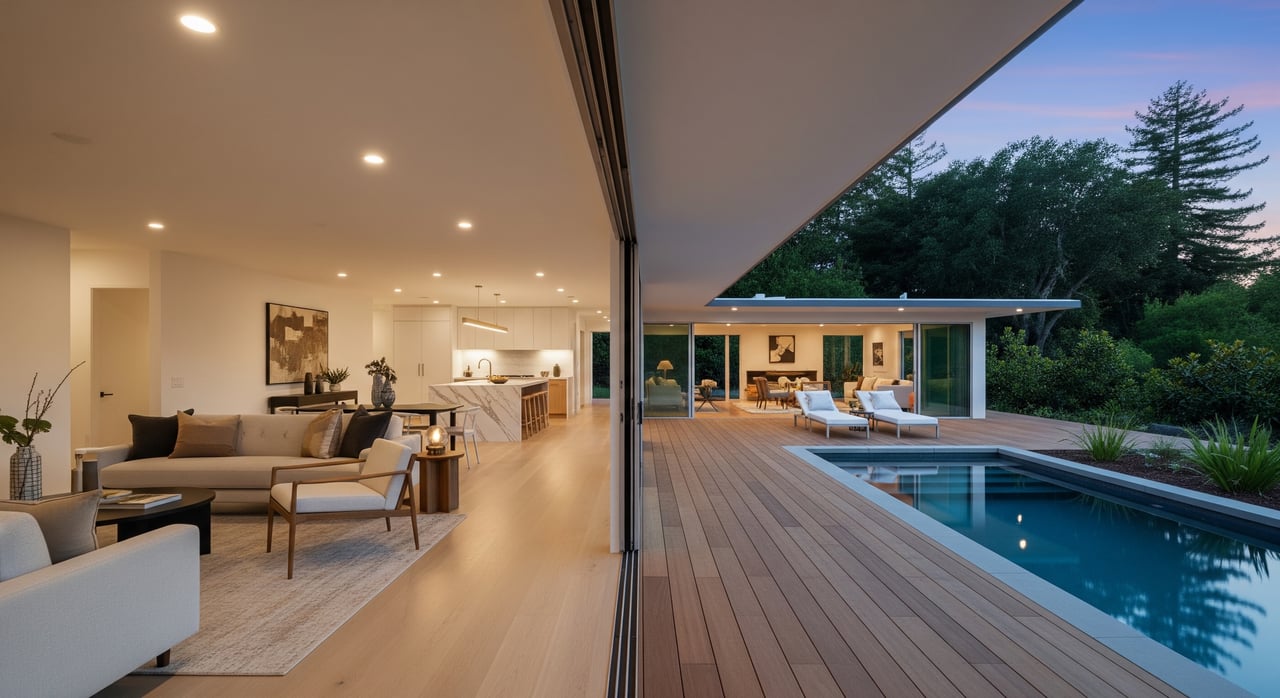
- Partial staging paired with decluttering often improves speed and buyer response. Focus on light, space, and indoor-outdoor flow to match local preferences.
What pre-listing inspections make sense in Palo Alto?
- Termite and general home inspections can reduce surprises during escrow. Your agent can advise based on your neighborhood, property age, and recent updates.
When is the best time of year to list in Palo Alto?
- Spring tends to be the busiest season, but well-positioned homes sell year-round. If you are relocating, align your launch with your target closing date.
What seller closing costs should I expect in Santa Clara County?
- Plan for broker commissions, escrow and title fees, transfer taxes, prorated property taxes, possible HOA fees, and any agreed credits. Confirm an estimate with your agent and escrow officer early.