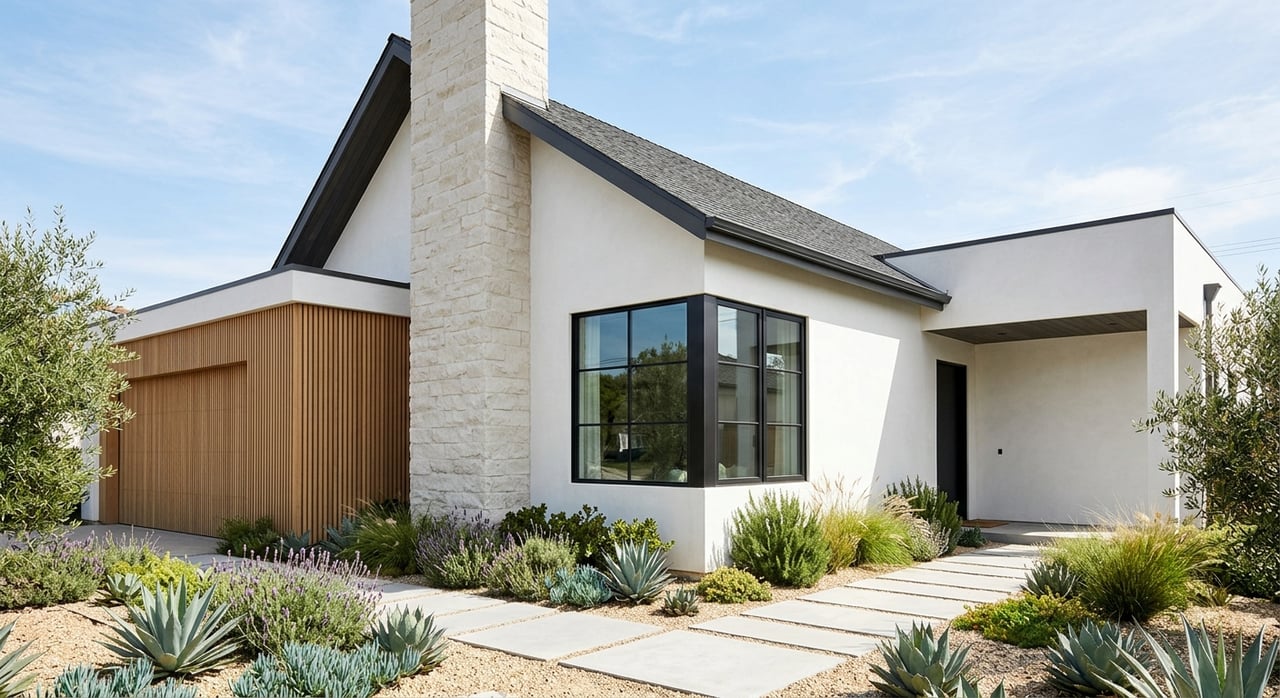
What makes a Saratoga luxury home feel unmistakably Saratoga? It is not just square footage or price point. In this market, architecture often works hand in hand with trees, privacy, hillside siting, and a semi-rural setting that the city has long worked to preserve. If you are touring high-end homes here, understanding the main architectural styles can help you quickly see how a property lives, entertains, and connects to its setting. Let’s dive in.
Saratoga’s Luxury Style Identity
Saratoga describes itself as a residential community of about 31,000 with prestigious neighborhoods and a strong emphasis on retaining its semi-rural ambiance and unique character. The city also notes that property values are closely tied to trees and rural attractiveness. That helps explain why architecture here is often judged not only by the front exterior, but also by how well the home fits its lot, landscaping, and sense of privacy.
Saratoga’s history also shapes what you see today. The city says the area evolved from a frontier and orchard landscape into a residential city with palatial estates owned by wealthy businessmen and politicians. That layered history is one reason the local luxury market includes everything from classic estate homes to low-slung postwar designs and newer contemporary interpretations.
For most buyers, Saratoga’s most recognizable architectural families fall into four groups:
- Period-revival estates
- Craftsman and bungalow homes
- Ranch and mid-century homes
- Modern and Bay Regional designs
Each style creates a different day-to-day experience. Some feel formal and grand, while others feel relaxed, grounded, or deeply connected to the outdoors.
Period-Revival Estates in Saratoga
When many buyers picture a Saratoga luxury home, they are usually imagining some version of a period-revival estate. Saratoga’s heritage inventory shows strong local representation of Italian Villa, Mediterranean Revival, Spanish Eclectic, Mission Revival, Colonial Revival, Tudor Revival, Dutch Colonial, and French Eclectic forms.
These homes often stand out through classic exterior details. You may notice stucco or stone-like finishes, tile roofs, arched porches and windows, ornate columns, symmetrical entries, gambrel roofs, and a more formal overall shape. The result is often a home that feels established, elegant, and designed to make an impression.
Inside, these homes typically suggest a more formal layout. Based on the city’s descriptions of symmetrical entries, classical trim, and estate-scale examples, buyers can usually expect a stronger sense of arrival, more separation between living spaces, and a more structured flow from front to back. That tends to appeal to buyers who want privacy, entertaining space, and a sense of ceremony.
Why Estate Styles Stay Popular
Period-revival homes fit Saratoga especially well because they pair naturally with larger lots and mature landscaping. In a city where trees, setting, and privacy carry real value, these homes often feel complete as part of an estate environment rather than as stand-alone structures.
They also connect to Saratoga’s long-standing luxury identity. Local examples listed by the city include Villa Montalvo, La Mirada, Villa Deodara, Bellgrove, and Paul Masson Lodge. Even if the home you tour is not historic, it may borrow visual cues from these earlier estate traditions.
What Buyers Often Notice First
When you walk through a period-revival home, pay attention to these common cues:
- Formal entry sequence
- Defined public rooms
- Strong exterior symmetry or classical detailing
- Architectural emphasis on façade and arrival
- A landscaped setting that supports privacy and entertaining
If you want a home that feels timeless and estate-like, this category is often the closest match.
Craftsman and Bungalow Character
Not every Saratoga luxury property aims for grandeur. Some buyers are drawn to homes with warmth, craftsmanship, and a more intimate scale. In Saratoga, that often means Craftsman and bungalow architecture.
The city’s heritage inventory identifies original Craftsman-style and Neoclassical bungalows as part of Saratoga’s early twentieth-century housing stock. Typical Craftsman features include broad eaves, porch beams, exposed rafter tails, massive porch posts, and windows with horizontal or square proportions. Many examples are one story or one-and-a-half stories, which helps explain why the style often feels approachable and human-scaled.
This category includes California Craftsman, Craftsman Shingle, and Craftsman Bungalow forms found at several Saratoga addresses in the city’s heritage records. While not every Craftsman home in Saratoga is a luxury property, this style remains meaningful in the local mix because it offers a different kind of appeal.
The Lifestyle Fit of Craftsman Homes
Craftsman homes usually attract buyers who value character over formality. Compared with estate homes, they often feel more grounded, cozy, and detail-driven. The architectural focus is less about grand symmetry and more about visible materials, porch presence, and handcrafted design cues.
For a buyer, that can translate into a home that feels inviting and distinctive without trying to be monumental. If you want authenticity, charm, and architectural personality, Craftsman homes can stand out in a market often known for larger estates and newer custom builds.
Ranch and Mid-Century Appeal
Saratoga’s luxury landscape is not limited to early architectural traditions. After World War II, the city saw vernacular and custom Ranch homes built throughout the area. The heritage inventory also notes architect-designed Bay Regional residences, sometimes built into the foothills.
Ranch-style homes are described as mostly single-story houses with hipped roofs, rooms that open into the landscape, attached carports or garages, and horizontal window ribbons. Those details create a very different experience from a formal estate. Instead of vertical drama and ceremonial entry, Ranch homes often emphasize ease, flow, and everyday livability.
Mid-century and related modern-era properties push those ideas further. Saratoga’s heritage records include modern examples such as the Rainie Californian Modern, Buettner House Modern, and other California Modern and Eichler-related resources. These homes provide local precedent for buyers who want clean lines and a more relaxed architectural expression.
Why Buyers Still Love Ranch Homes
A well-sited Ranch home can feel especially comfortable in Saratoga. The mostly single-level layout often appeals to buyers looking for convenience, flexibility, and easy movement between indoor and outdoor spaces.
This style also tends to fit naturally on larger lots. Because the architecture stretches horizontally, the home can feel connected to gardens, patios, and surrounding greenery in a very direct way. In a place where landscape matters so much, that is a meaningful advantage.
Modern and Bay Regional Design
If your taste runs more contemporary, Saratoga offers strong local roots for that too. The city’s heritage inventory describes Bay Regional and modern houses with flat roofs, wide wall planes, large windows, simple doors, rectilinear massing, and local exterior materials such as wood v-groove siding.
These homes often feel visually quieter than revival estates, but that restraint is part of the appeal. Rather than relying on ornament, they emphasize proportion, light, materials, and the relationship between the home and the site. In the foothills especially, that can create a strong sense of harmony with views and topography.
For many luxury buyers, this is the style category most aligned with current living preferences. Large windows, simpler circulation, and a direct indoor-outdoor connection often support entertaining, flexible use of space, and a cleaner visual look.
Contemporary Homes With Saratoga Pedigree
What makes Saratoga’s modern homes especially interesting is that they are not just imported trends. The city’s records show that modern and Bay Regional approaches are already part of the local architectural story. That gives newer or updated contemporary homes a stronger sense of place.
If you are comparing a modern Saratoga home to a classic estate, ask yourself what matters more in your daily life. Do you want formality and historic cues, or openness, glass, and connection to the outdoors? In Saratoga, both can feel authentic, but they create very different living experiences.
How to Compare Styles While Touring
You do not need architectural training to tell these homes apart. A few simple questions can help you read a home quickly and understand whether it matches your goals.
Ask if the Home Feels Formal or Relaxed
Period-revival estates often feel more formal, with a stronger sense of entry and separated rooms. Ranch, mid-century, and many modern homes usually feel more relaxed and open.
That difference matters because it affects how you live in the home. If you host often or want a more ceremonial feel, formality may be a plus. If you want easy flow and casual entertaining, a more open style may fit better.
Look at the Home’s Shape
The massing of the house tells you a lot. Estate homes often read as more symmetrical or vertically composed, while Ranch homes usually spread horizontally across the lot.
Modern homes may look more rectilinear and abstract, with wide wall planes and large areas of glass. Craftsman homes often sit lower and feel more rooted, with visible porches and strong rooflines.
Notice the Connection to the Lot
In Saratoga, one of the biggest differentiators is how strongly the house connects to the land. Some homes are designed to create a formal front presence, while others are meant to open outward to gardens, patios, or hillside views.
That question is especially useful in this market because the city places high value on trees, rural attractiveness, and overall setting. In many cases, the lot is not just the backdrop. It is part of the home’s identity.
Why Architecture Matters in Saratoga
Saratoga’s luxury market is best understood as a layered mix of classic estates, early craft-driven homes, postwar Ranch properties, and contemporary interpretations. The city is also still actively managing design character in its historic core, while the broader housing stock continues to reflect multiple eras.
For you as a buyer, that means style is more than appearance. It shapes privacy, floor-plan feel, entertaining potential, and the relationship between the home and its surroundings. In Saratoga, the right architectural match can make a home feel not just impressive, but truly livable.
If you are weighing different Saratoga homes and want help reading what really adds long-term value, working with a team that understands both market positioning and neighborhood context can make the process much clearer. To explore Saratoga homes with a more informed strategy, connect with Jide Group Real Estate.
FAQs
What architectural styles are most common in Saratoga luxury homes?
- Saratoga luxury homes are commonly associated with period-revival estates, Craftsman and bungalow homes, Ranch and mid-century properties, and Modern or Bay Regional designs.
What defines a period-revival estate in Saratoga?
- A Saratoga period-revival estate often includes features such as stucco or stone-like finishes, tile roofs, arched windows or porches, formal entries, and a more symmetrical or estate-style appearance.
Are Craftsman homes considered luxury homes in Saratoga?
- Some Craftsman homes can appeal to luxury buyers in Saratoga, especially when the priority is architectural character, warmth, and craftsmanship rather than grand scale.
Why are Ranch homes popular in Saratoga?
- Ranch homes remain popular in Saratoga because they are often single-story, connect well to the landscape, and support a relaxed indoor-outdoor lifestyle.
What makes modern Saratoga homes different from traditional estates?
- Modern Saratoga homes typically emphasize large windows, simpler forms, flat or low-profile roofs, and stronger connections to light, views, and the surrounding site rather than formal historic detailing.
What should buyers look for when touring Saratoga luxury homes?
- Buyers touring Saratoga luxury homes should look at whether the home feels formal or relaxed, whether it is single-level or stacked, how the exterior is composed, and how the house connects to the lot, garden, or hillsides.